Peterbilt Leads the Way with CARB-Certified Diesel Engine
Diesel engine regulations are changing quickly across the trucking industry. Stricter emissions standards are pushing manufacturers to develop cleaner and more efficient engines while maintaining the performance that fleets depend on.
In a recent industry discussion, Peterbilt addressed how these new diesel regulations are shaping the future of heavy duty trucks. With tighter emissions requirements coming from both California and federal agencies, truck manufacturers are working to stay ahead of upcoming mandates.

New Diesel Engine Regulations Are Reshaping the Industry
Several major regulatory programs are driving changes in diesel technology. California has introduced strict policies such as the Omnibus Low NOx rule and the Advanced Clean Trucks mandate. These programs aim to reduce nitrogen oxide emissions and encourage the transition toward zero emission vehicles.
Impact
The impact of these engine regulations is already visible in the market. Truck sales in California have reportedly dropped significantly as fleets adjust to new compliance requirements and wait for updated equipment options.
While California often leads the way in emissions policy, these engine regulations are expected to influence trucking nationwide. The Environmental Protection Agency plans to implement its Greenhouse Gas Phase 3 standards beginning in 2027, which will affect new truck sales across the United States.
Peterbilt Prepares for New Emissions Standards
Peterbilt is taking steps to prepare for the next phase of diesel engine regulations. During a recent dealer event, company leaders discussed how new emissions standards will affect truck design and engine technology in the coming years.
Bobby Sanders, vocational sales manager at Peterbilt, explained that upcoming engine regulations will significantly impact the trucking industry. Manufacturers must balance lower emissions requirements with the durability and reliability that vocational operators expect.
To address these challenges, Peterbilt is investing in new engine technology designed to meet future compliance standards.
PACCAR MX 13 Engine Designed for CARB Compliance
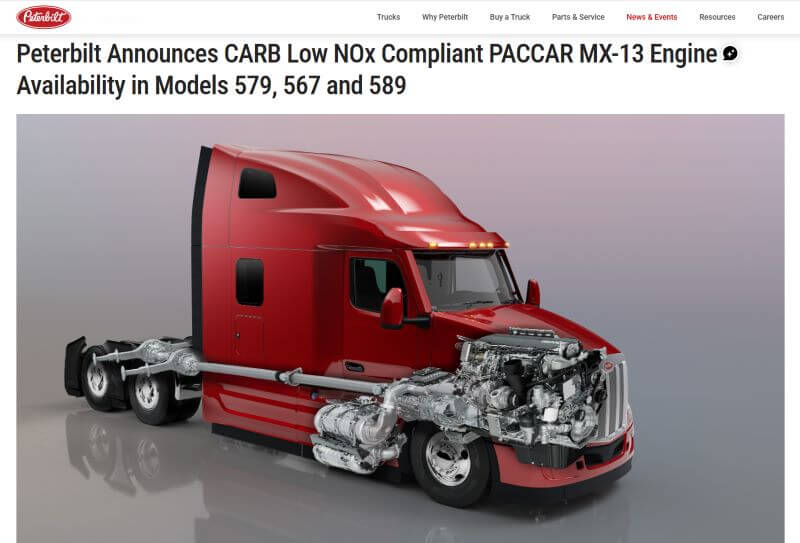
One of Peterbilt’s key solutions is a CARB certified version of the PACCAR MX 13 diesel engine. This engine has been engineered specifically to meet the strict emissions standards set by the California Air Resources Board.
The updated engine includes several improvements designed to help meet the latest diesel regulations. These upgrades focus on improving emissions performance while maintaining strong power and reliability for demanding applications.
Key Updates Include:
- Improved fuel injectors for more precise combustion
- A larger selective catalytic reduction system
- A new 48 volt generator mounted to the flywheel
These improvements help reduce emissions while keeping the engine capable of handling vocational jobs such as construction, hauling, and heavy duty work.
Diesel Engine Regulations and Fleet Efficiency
As diesel engine regulations tighten, fleets are under pressure to balance compliance with operational efficiency. Modern engines must meet emissions standards without sacrificing fuel economy, uptime, or hauling capacity.
For Fleet Managers:
Understanding these diesel regulations is critical when planning new truck purchases. Investing in engines like the CARB-certified PACCAR MX-13 allows operators to meet compliance requirements while maintaining reliability on the job site.
These regulations also encourage technological improvements across the industry. Engines are becoming more efficient, durable, and easier to service, helping fleets reduce downtime and operating costs.
By proactively adopting compliant engines, fleets can stay ahead of changing regulations while keeping productivity high.
Improved Serviceability for Fleet Operators
In addition to emissions improvements, Peterbilt has also focused on making the engine easier to maintain. Fleet operators and owner operators often rely on fast and simple service to reduce downtime.
The new engine design includes practical updates such as a clear fuel filter cap and an improved diesel particulate filter pressure sensor. These changes help technicians identify issues more quickly and keep trucks on the road.
By focusing on both compliance and serviceability, Peterbilt aims to support fleets adapting to evolving engine regulations.
Preparing for the Future of Diesel Engines
As emissions rules continue to evolve, diesel regulations will remain a major factor shaping the trucking industry. Manufacturers must develop engines that meet environmental standards while still delivering the performance that drivers and fleets rely on.
Peterbilt’s approach shows how truck manufacturers are adapting to these changes through new engine technology and regulatory compliance.
Staying ahead of engine regulations will be critical as the industry prepares for future emissions standards and the transition toward lower emission transportation solutions.
Conclusion
Peterbilt’s CARB-certified PACCAR MX-13 demonstrates how manufacturers are responding to evolving diesel engine regulations. From improved emissions systems to easier maintenance, Peterbilt is equipping fleets to meet current and future standards.
For fleet operators and truck drivers, staying informed about diesel regulations is essential. Choosing engines that comply ensures long-term reliability and operational efficiency. With these advances, Peterbilt is leading the industry in compliance, performance, and preparation for the next generation of engines under diesel regulations.