Hydrogen Trucks Expand Across Construction Fleets
Hydrogen trucks are gaining attention as an alternative to diesel and electric vehicles in the heavy-duty trucking industry. As regulations tighten and fuel costs fluctuate, contractors and fleet owners are exploring new options to stay competitive.
This guide breaks down how hydrogen trucks work, their costs, benefits, and whether they make sense for dump truck operations and construction fleets.

What Are Hydrogen Fuel Cell Trucks?
Hydrogen fuel cell trucks use compressed hydrogen gas to generate electricity. Instead of a traditional engine, they rely on a fuel cell system that converts hydrogen into electrical power.
The process:
- Hydrogen is stored in onboard tanks
- The fuel cell converts hydrogen into electricity
- The truck runs on electric motors
- The only emission is water vapor
Unlike battery-electric trucks, hydrogen trucks do not rely on large battery packs for energy storage, which can reduce weight and improve range.
How Hydrogen Trucks Compare to Diesel and Electric
When evaluating hydrogen trucks, it’s important to compare them to existing options.
Hydrogen vs Diesel
- Lower emissions with near-zero pollutants
- Potential for lower long-term fuel costs
- Higher upfront purchase price
Hydrogen vs Electric
- Faster refueling times (similar to diesel)
- Longer range in many cases
- Less strain from heavy battery weight
- Limited fueling infrastructure compared to electric charging
For contractors running long routes or heavy loads, hydrogen may offer advantages over battery-electric models.
Cost of Hydrogen Fuel Cell Trucks
Hydrogen trucks are currently more expensive than diesel or electric alternatives.
Typical cost considerations:
- Purchase price can exceed $300,000
- Fuel costs vary depending on hydrogen availability
- Maintenance may be lower due to fewer moving parts
While upfront costs are high, some operators expect long-term savings through fuel efficiency and reduced maintenance.
In some regions, incentives and grants may help offset the initial investment.
Benefits of Hydrogen Trucks for Contractors
Hydrogen fuel cell trucks offer several potential advantages for construction and hauling operations.
1. Fast Refueling
Hydrogen trucks can refuel in minutes, similar to diesel. This minimizes downtime compared to electric trucks that require longer charging periods.
2. Longer Range
Many hydrogen trucks are designed for long-distance hauling, making them suitable for regional and heavy-duty work.
3. Reduced Emissions
With only water vapor as a byproduct, hydrogen trucks help contractors meet environmental regulations and reduce their carbon footprint.
4. Payload Efficiency
Because they rely less on heavy batteries, hydrogen trucks can maintain higher payload capacity compared to some electric trucks.
Challenges and Limitations
Despite the benefits, hydrogen trucks are not without challenges.
Limited Infrastructure
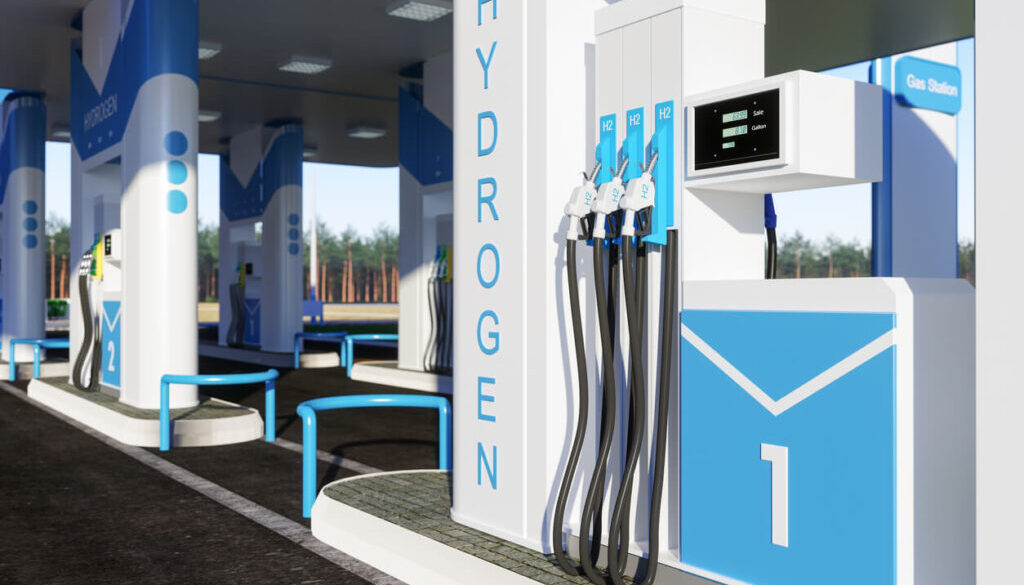
Hydrogen fueling stations are still scarce, especially outside major metro areas.
High Initial Cost
The upfront investment remains a barrier for many small and mid-sized contractors.
Technology Adoption
Hydrogen trucking is still in early stages compared to diesel, meaning fewer models and less long-term data.
Fuel Availability
Consistent hydrogen supply can vary by region, which may impact operations.
Are Hydrogen Trucks Right for Dump Truck Operations?
For dump truck contractors, the decision comes down to application and location.
Hydrogen trucks may make sense if:
- You operate in areas with available hydrogen fueling
- You run longer routes or high daily mileage
- You want to future-proof your fleet against emissions regulations
However, diesel remains the most practical option for many contractors due to cost and accessibility. Electric trucks are also becoming more common for shorter routes and urban jobs.
Future of Hydrogen in the Construction Industry
Hydrogen fuel cell technology is expected to grow as infrastructure improves and costs decrease. Major manufacturers are investing heavily in development, and government incentives are accelerating adoption.
Over time, hydrogen trucks could become a more viable option for contractors looking to balance performance with environmental compliance.
Wrap Up
Hydrogen fuel cell trucks represent a promising step forward in heavy-duty transportation. They offer fast refueling, long range, and zero emissions, making them an attractive option for certain operations.
However, high costs and limited infrastructure mean they are not yet the right fit for every contractor.
Understanding where hydrogen fits into your business strategy can help you make informed decisions as the industry evolves.
Next Steps
If you are considering upgrading your fleet, it’s important to evaluate all available options, including diesel, electric, and alternative fuel trucks.
Understanding financing, total cost of ownership, and job requirements will help you choose the right equipment for long-term success.

FAQ: Hydrogen Trucks in Construction Fleets
-
What are hydrogen-powered dump trucks?
-
Are hydrogen dump trucks being used in construction?
-
Where are hydrogen dump trucks being used in the US?
-
Are hydrogen equipment available in California construction fleets?
-
Why are construction companies switching to hydrogen?
-
Are hydrogen dump trucks better than diesel?
-
How much do hydrogen dump trucks cost?
-
Is there demand for hydrogen dump trucks in construction?
-
Will hydrogen replace diesel dump trucks?
-
What states are investing in hydrogen dump truck infrastructure?
-
Are hydrogen dump trucks worth it for contractors?
-
How do hydrogen dump trucks impact businesses?